

What are boho colours?
Boho colours have become a hallmark of the boho fashion aesthetic, painting wardrobes and living spaces with warmth, texture, and a touch of wanderlust. If you’ve ever wandering through a flea market or browsing a boho-inspired lookbook, you’ve likely encountered a vibrant palette that feels both earthy and electric at the same time. In this post, we’ll unpack what boho colours are, why they work, and how you can incorporate them into your style with confidence.

Introduction to boho fashion and colour philosophy
Boho fashion, short for bohemian fashion, draws its influence from global textiles, vintage finds, and a carefree, individualistic approach to styling. The colour story accompanying boho fashion is equally eclectic. Rather than sticking to a single shade family, boho colours mingle warm earthy tones with bold jewel tones, faded pastels with saturated accents, and intricate patterns that celebrate diversity. The overall effect is layered, imperfect, and deeply expressive.
The core boho colour palette
- Earthy neutrals: taupe, sand, clay, olive, and camel create a grounding base that mirrors natural landscapes.
- Warm ochres and terracottas: ochre, burnt sienna, and terracotta evoke desert sunsets and artisanal pottery.
- Rich jewel tones: emerald green, royal blue, amethyst, and ruby add depth and a sense of travel-worthy vibrance.
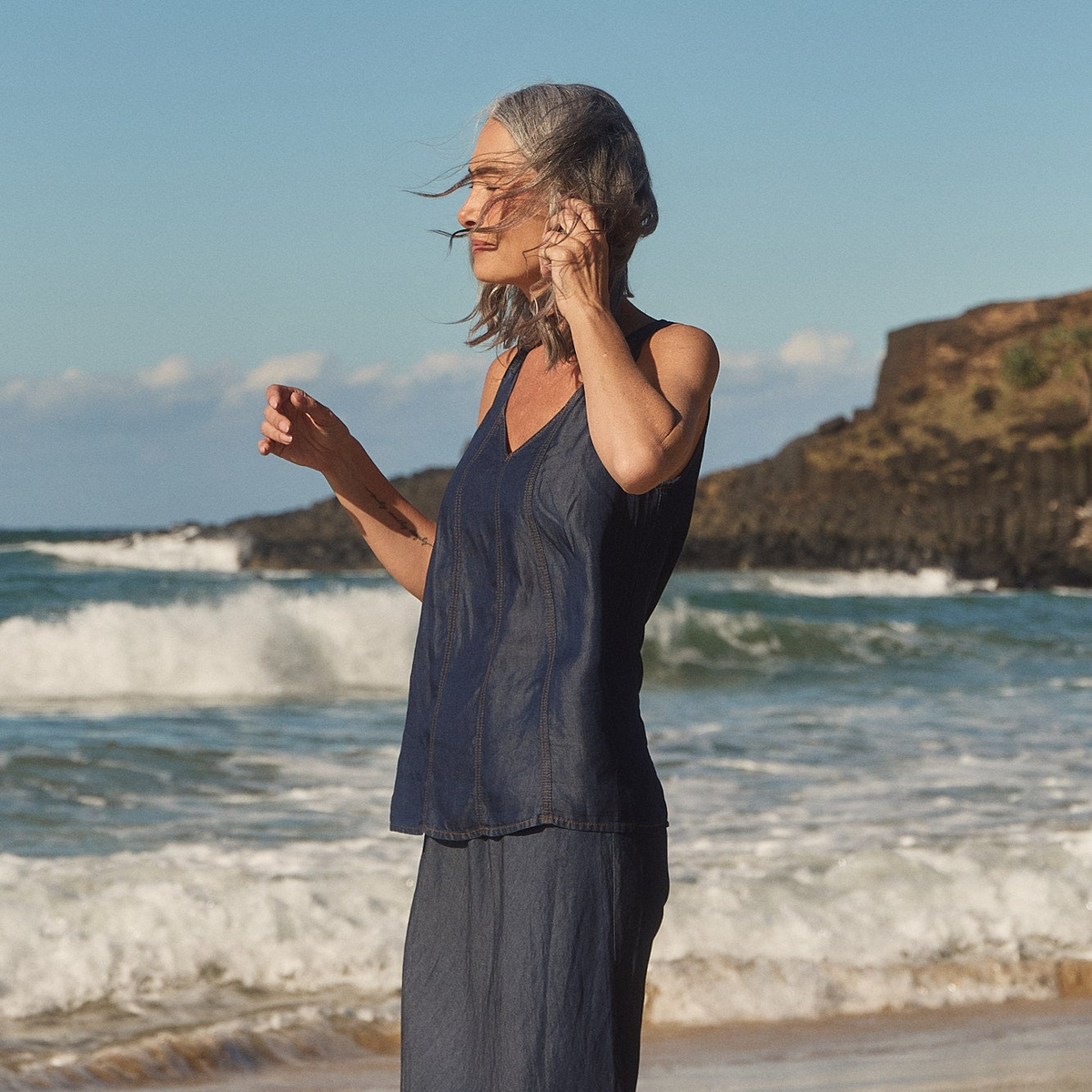
- Indigo and navy: deep blues bring contrast and anchor complex outfits.
- Soft, sun-kissed pastels: peach, blush, and misty mint offer a lighter touch that keeps looks approachable.
- Metallic hints: bronze, brass, and gold accents add a touch of shimmer without overpowering the ensemble.
These colours aren’t meant to sit in isolation. The magic of boho fashion comes from mixing and matching textures and tones, letting the palette flow from one piece to another.

How boho colours influence mood and styling
Colour is a powerful tool in boho fashion, shaping mood, atmosphere, and perceived styling intent. Earthy neutrals provide a calm, grounding presence, making loud prints feel more wearable. Jewel tones inject energy and visual interest, perfect for statement pieces like maxi dresses or shawls. Soft pastels keep things light and feminine, while deep blues and greens offer a sense of mystery and sophistication. When combined thoughtfully, boho colours help you tell a story with your outfit, one of travel, warmth, and individuality.
Practical tips for incorporating boho colours into your wardrobe
- Start with a neutral base: Build outfits around neutrals like beige, cream, or taupe, then layer in colour with accessories and statement pieces.
- Mix textures: The tactile quality of fabrics, linen, cotton, velvet, suede, adds depth to colour combinations and enhances the boho vibe.
- Use colour blocking sparingly: Pair a bold boho colour with a complementary neutral to avoid overwhelming the look.
- Accessorise with contrast: Bags, belts, and jewellery in contrasting boho colours can tie an entire outfit together without requiring a full colour overhaul.
- Consider seasonality: Warmer tones (burnt orange, mustard) feel particularly appropriate in autumn, while cooler blues and greens can be a refreshing choice in spring and summer.
- Look to global inspirations: Boho fashion often borrows from Moroccan, Indian, Mexican, and Mediterranean palettes, so explore colours associated with these cultures to expand your own mix.
Boho colour harmony across different wardrobe pieces
- Boho dresses: Maxi or midi dresses in a single boho tone work beautifully when paired with a patterned kimono or a textured shawl in complementary colours.
- Boho tops and blouses: Layer a printed or embroidered blouse with a solid vest or cardigan in earthy neutrals to maintain balance.
- Boho accessories: Jewellery, scarves, and hats offer excellent opportunities to introduce accent colours without committing to a full outfit overhaul.
- Boho home wear and decor: When extending boho colours into home spaces, think in terms of layered textiles, woven rugs, and macrame with a mix of warm neutrals and vivid accents.

Common pitfalls and how to avoid them
- Overloading with competing prints: If you’re mixing multiple prints, keep the colour palette cohesive by sticking to three main hues.
- Ignoring skin undertone: Some boho colours may wash out certain complexions. Test shades against your skin and choose tones that enhance your natural glow.
- Forgetting balance: Bold colours should be balanced with calmer neutrals to prevent an overwhelming look.
Final thoughts
Boho colours are less about strict rules and more about a free-spirited approach to colour that embraces texture, layering, and global inspiration. By understanding the core palette, earthy neutrals, warm ochres, rich jewel tones, deep blues, soft pastels, and metallic accents, you can craft outfits that feel cohesive, adventurous, and unmistakably boho fashion. Whether you’re assembling a head-to-toe look or simply adding a few well-chosen pieces, let colour storytelling guide your choices and enjoy the creative journey.
Next

What does sustainable fashion mean?
What does sustainable fashion mean? Sustainable fashion is more than a buzzword. It represents a shift in how clothing is designed, produced, worn, and disposed of, one that aims to minimise enviro...

Which Dress Style is Best for Hot Weather?
Which Dress Style is Best for Hot Weather? Hot Australian summers call for smart wardrobe choices that keep you cool, comfortable, and stylish. When the sun is blazing, the right dresses in summer ...

Leave a comment
This site is protected by hCaptcha and the hCaptcha Privacy Policy and Terms of Service apply.