


What Type of Dress Should We Wear in Summer?
Summer is a season of sun, fresh air, and long days. Choosing the right dress can make all the difference between feeling comfortable and feeling weighed down by heat. This guide explores practical, stylish, and breathable options to help you decide what to wear in summer, with a focus on the keyword dresses in summer.

Introduction: The essence of summer dressing
When the temperatures rise, fabric choice, cut, and practicality become as important as style. The goal is to stay cool, protect your skin, and feel confident. By understanding how different dresses behave in warm weather, you can assemble a versatile summer wardrobe that keeps you comfortable from dawn to dusk. In this discussion, we’ll reference dresses in summer as our baseline and expand into categories, fabrics, and styling tips.
Fabric matters: Breathability, comfort, and care
The fabric of a summer dress greatly influences comfort. Natural fibres like cotton, linen, and bamboo tend to breathe better and wick moisture, helping you stay cool on hot days. Lightweight blends with a touch of elastane can offer stretch without sacrificing breathability.
- Cotton dresses: Soft, breathable, and easy to care for. Perfect for casual daytime wear and heat waves.
- Linen dresses: Highly breathable and ideal for very hot days, though they can wrinkle easily. A linen blend can offer a more polished look.
- Rayon and viscose: Drapes nicely and keeps you cool, but check care instructions as some blends can wrinkle.
- Silk and satin: Luxurious but often less practical for peak heat unless the climate is dry and you’re aiming for a dressier occasion.
- Synthetic options: Polyester blends can be lightweight and stretchy but may trap heat if not chosen carefully. Look for breathable weaves and moisture-wicking linings.

Silhouette and length: Finding the right shape for summer
The silhouette plays a crucial role in airflow and comfort. A-line, shift, and shirt dresses are popular because they skim the body and allow air to circulate.
- Mini dresses: Great for hot days and beach outings, but consider sun protection for legs.
- Midi dresses: A balance between style and air flow; pair with sandals for a breezy look.
- Maxi dresses: Provide coverage while often staying cool if made from breathable fabrics.
- Tiered and wrap styles: Create movement and ventilation, which can help with staying cool.
Consider looser fits over tight silhouettes. A looser dress generally permits more airflow, helping you stay comfortable in summer heat.
Patterns, colours, and sun protection
Colours influence heat absorption. Lighter colours reflect sunlight and keep you cooler, while darker tones absorb heat. If you’re sensitive to sun, look for dresses with built-in UV protection or plan to layer with a light cardigan or scarf.
- Light hues: White, pastels, and soft neutrals tend to reflect sun.
- Bold prints: They can distract from heat and help you feel stylish.
- Sleeves: Cap sleeves or sleeveless options are common, but for sun protection, longer sleeves in lightweight fabrics can be a good compromise.
Don’t forget practical sun protection:
- Sunscreen on exposed skin
- Wide-brim hats or caps
- Sunglasses
- Lightweight cardigans or shawls for cooler evenings

Practical styling: Shoes, accessories, and versatility
Dressing for summer isn’t just about the dress itself. Footwear, bags, and accessories complete the look and influence comfort.
- Shoes: Sandals, espadrilles, and breathable flats are wardrobe staples. Choose sandals with good arch support if you’ll be walking.
- Layering pieces: A lightweight denim jacket or kimono can extend wear into cooler evenings.
- Accessories: Straw hats, sunglasses, and simple jewellery add polish without bulk.
Versatility is key. A few well-chosen dresses in summer can cover work, casual events, and occasions with minimal wardrobe changes.

Practical care: Keeping dresses in summer looking fresh
Summer fabrics can be prone to wrinkling or sweat marks.
- Pre-treat sweat and deodorant marks.
- Follow care labels for washing instructions to preserve fabric integrity.
- Air-dry when possible to avoid heat damage from dryers.
- Store dresses in a cool, dry place to prevent mildew and yellowing.
Final thoughts: Embracing comfort and confidence
Dressing for summer is about balancing comfort, sun protection, and personal style. By selecting breathable fabrics, choosing silhouettes that maximise airflow, and pairing dresses in summer with appropriate footwear and accessories, you can enjoy a stylish season without overheating. The key is to experiment with different lengths, colours, and textures to find what makes you feel your best.
In summary, dresses in summer should prioritise breathability, appropriate coverage, and versatility. With thoughtful fabric choices, mindful silhouettes, and practical styling, you’ll be ready to face the heat with confidence and comfort.
Next
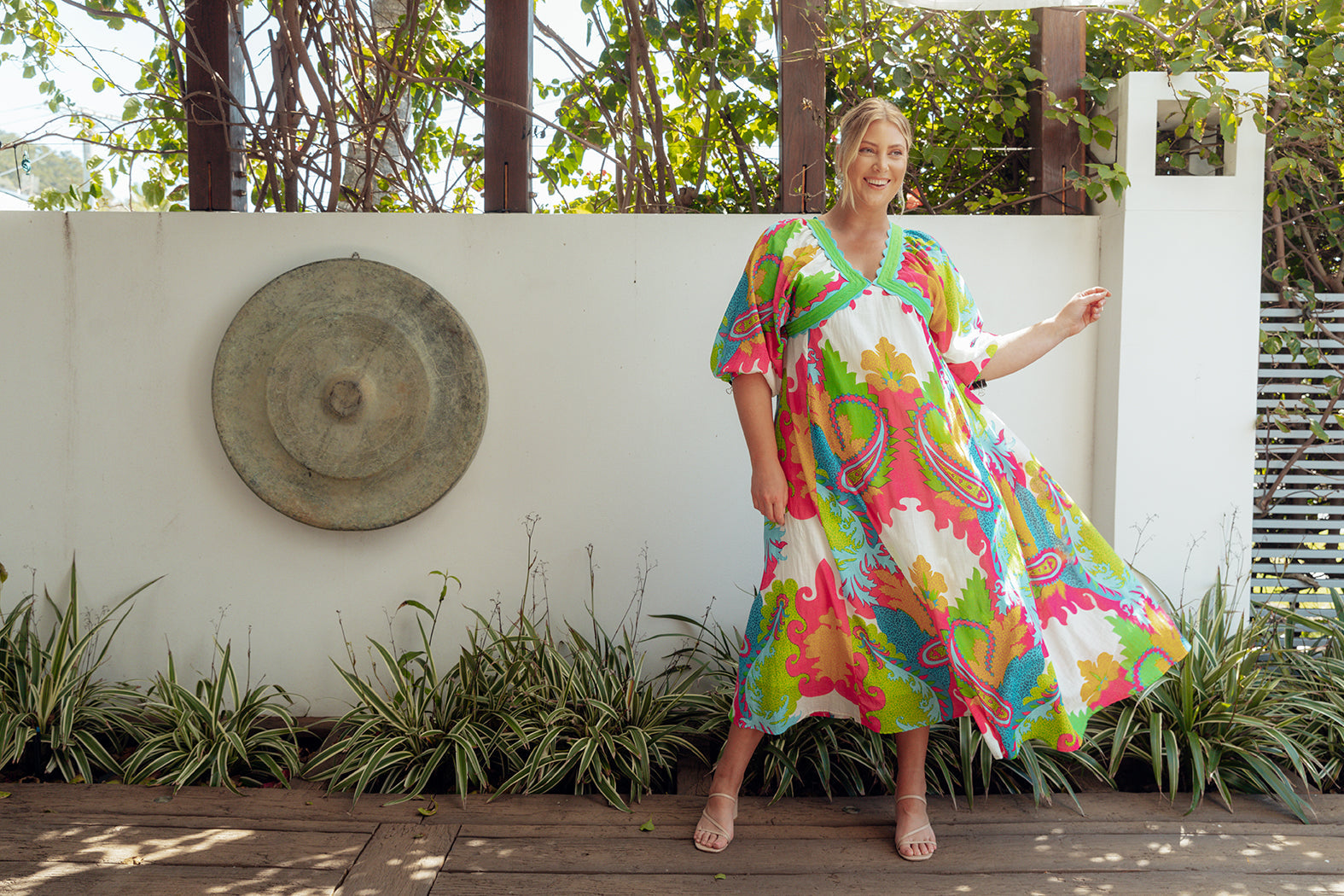
Curve Party Dressing, Sorted: Flattering Summer Dresses
Got a calendar full of end of year parties, work dos and long lunches? This is your pre holiday season cheat sheet to looking and feeling amazing in the heat. We have got curve friendly silhouettes...

How to Look Fashionable in Summer
How to Look Fashionable in Summer Summer is a season of sun, heat, and opportunities to experiment with light fabrics, bright colours, and easy silhouettes. If you’ve ever wondered how to look styl...

Leave a comment
This site is protected by hCaptcha and the hCaptcha Privacy Policy and Terms of Service apply.